

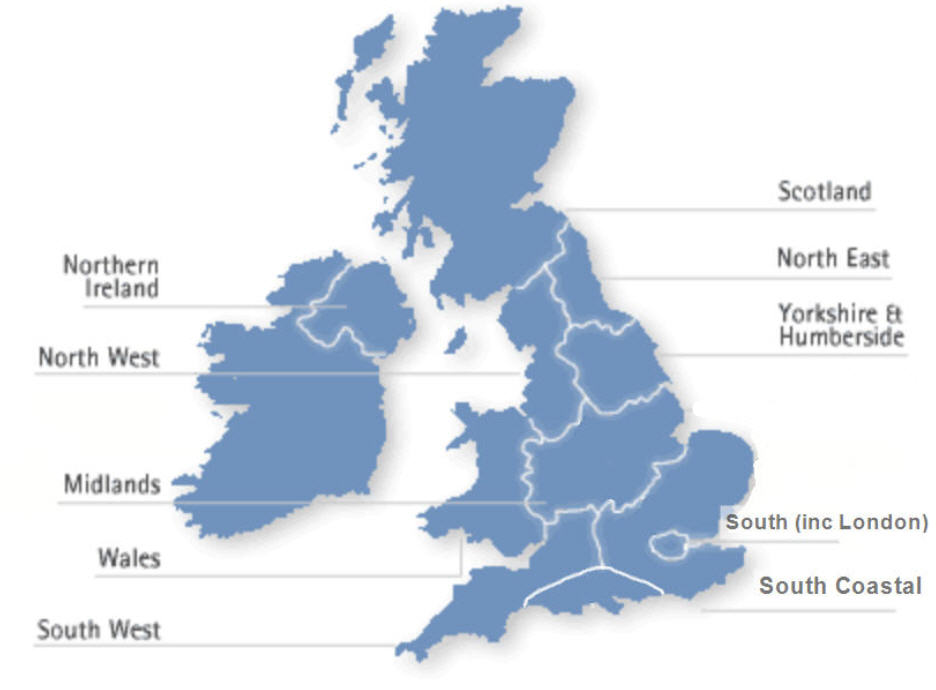
There are currently ten regional groups of the BSC – also see Regional Events and Archived Events
- Scotland
- Wales
- Northern Ireland
- North East
- Yorkshire and Humberside
- North West
- Midlands
- South (inc. London)
- South Coastal
- South West
– also see Regional Events
Scotland
Contact: Professor Michele Burman, University of Glasgow, at Michele.Burman@glasgow.ac.uk
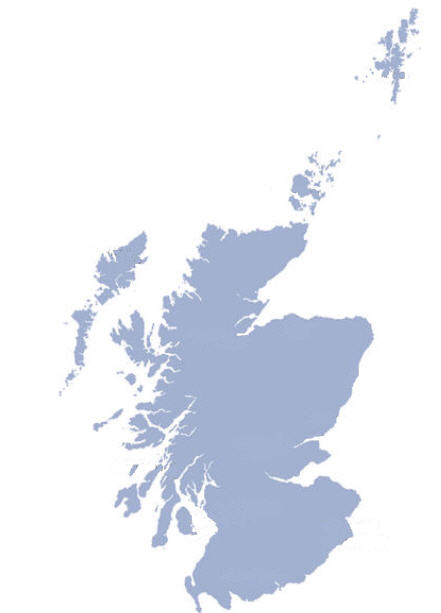
The Scotland Branch membership consists of staff and postgraduate students from several Scottish Universities and those working in criminal justice policy and practice in national and local government, statutory agencies and the voluntary sector. The Branch has strong links with the Scottish Centre for Crime and Justice Research (SCCJR) and the Scottish Institute for Policing Research (SIPR), both of which are collaborative partnerships between several Scottish Universities.
University of Aberdeen
Abertay University
University of Dundee
University of Edinburgh
Edinburgh Napier University
University of Glasgow
Glasgow Caledonian University
Heriot-Watt University
University of the Highlands and Islands
Queen Margaret University
Robert Gordon University
University of St Andrews
University of Stirling
University of Strathclyde
University of West Scotland
– also see Regional Events
Wales
Contact: Professor Martina Feilzer, Bangor University (m.feilzer@bangor.ac.uk) and Michael Levi, Cardiff University (Levi@cardiff.ac.uk).

The Wales branch was launched at the end of 2007 (but was previously part of the Wales and West group).The main activity of the branch is a programme of seminars showcasing the most relevant and exciting research in criminology and criminal justice.
A range of speakers have presented at these seminars – ranging from local PhD students to established and eminent academics from in and outside Wales, such as Professor Rod Morgan, former Chairman of the Youth Justice Board for England and Wales, and Professor Pat Carlen, Editor-in-Chief of the British Journal of Criminology. More recently, Professor Steve Tombs discussed the aftermath and consequences of the Grenfell Tower tragedy at the University of South Wales and, at Bangor, Nicola Harding from Leeds Trinity University presented ‘You know what I mean…’ an auto-ethnographic account of co-produced research with criminalised women.
The audiences normally consist of academics, postgraduate students and some practitioners, such as local police officers and YOT staff. One of the aims in recent years has been to hold seminars at more Welsh universities and, pleasingly, the University of South Wales, Cardiff, Swansea and Newport and Bangor have hosted seminars.
Aberystwyth University
Bangor University
Cardiff Metropolitan University
Cardiff University
Glyndŵr University
The Open University in Wales
Swansea University
University of South Wales
University of Wales
University of Wales Trinity Saint David
– also see Regional Events
Northern Ireland
Contact: Michelle Butler (michelle.butler@qub.ac.uk)

The Branch membership consists of members from both the Law School and the Department of Sociology at Queen’s, as well as criminology and criminal justice academics at the University of Ulster. Branch activities also regularly attract practitioners from a wide array of statutory agencies and community groups from across Northern Ireland. The Branch also has very strong links to the annual Irish Criminology Conference.
Open University in Ireland
Queen’s University Belfast
Ulster University
– also see Regional Events
North East
For more information on the North East branch contact Dr Clare Wiper, Northumbria University: clare2.wiper@northumbria.ac.uk

Durham University
Newcastle University
Northumbria University
University of Sunderland
Teesside University
– also see Regional Events
Yorkshire and Humberside
Contact the convenor: Helen Johnston H.Johnston@hull.ac.uk

University of Bradford
University of Huddersfield
University of Hull
University of Leeds
Leeds Beckett University
Leeds Trinity University
University of Sheffield
Sheffield Hallam University
University of York
York St John University
– also see Regional Events
North West
For more information on the North West branch contact Steve Wakeman S.J.Wakeman@ljmu.ac.uk

The North West Branch of the BSC provides funding for a series of seminars across the region. In 2016 two successful events were held at Liverpool Hope University and Salford University (see archive).
Blackburn College
Lancaster University
Liverpool Hope University
Liverpool John Moores University
Manchester Metropolitan University
The University of Manchester
The University of Central Lancashire
University of Liverpool
University of Salford
Edge Hill University
University of Chester
University of Bolton
University of Cumbria
– also see Regional Events
Midlands
Contact Emily Gray (Emily.Gray@warwick.ac.uk)

Aston University
University of Birmingham
Birmingham City University
Coventry University
De Montfort University
Derby
Keele University
University of Leicester
University of Lincoln
Loughborough University
University of Northampton
University of Nottingham
Nottingham Trent University
Staffordshire University
University of Warwick
University of Worcester
– also see Regional Event
South (inc. London)
Contact Maria Adams (m.n.adams@surrey.ac.uk)
Also, see their blog posting ‘Criminological Postcards from London’.

Imperial College London
University College London
King’s College London
London School of Economics and Political Science
Queen Mary, University of London
Royal Holloway University of London
SOAS – School of Oriental and African Studies, University of London
City University London
Brunel University
Birkbeck College, University of London
Goldsmiths, University of London
Kingston University
London Metropolitan University
University of East London
University of Greenwich
University of Oxford
University of Reading
University of Surrey
Oxford Brookes University
University of Kent
Middlesex University
St Mary’s University, Twickenham
University of Cambridge
University of East Anglia
University of Suffolk
University of Essex
University of Hertfordshire
– also see Regional Events

South West
Contact: Chair Dr Zoë James, Plymouth University, at Z.James@plymouth.ac.uk or Branch Secretary Dr Iain Channing iain.channing@plymouth.ac.uk
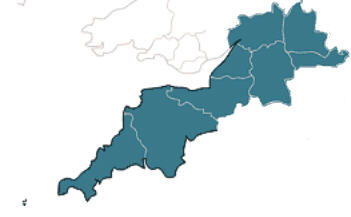
The South West branch was launched at the University of Plymouth Criminology and Criminal Justice Studies Symposium, ‘The Criminological Enterprise: Maximising Impact’, in 2009. The aim of the South West branch is to provide a forum for academics, students and practitioners to engage with criminological issues through a regular seminar series.
University of Bristol
University of Exeter
University of Bath
Bath Spa University
University of the West of England
University of Plymouth
– also see Regional Events